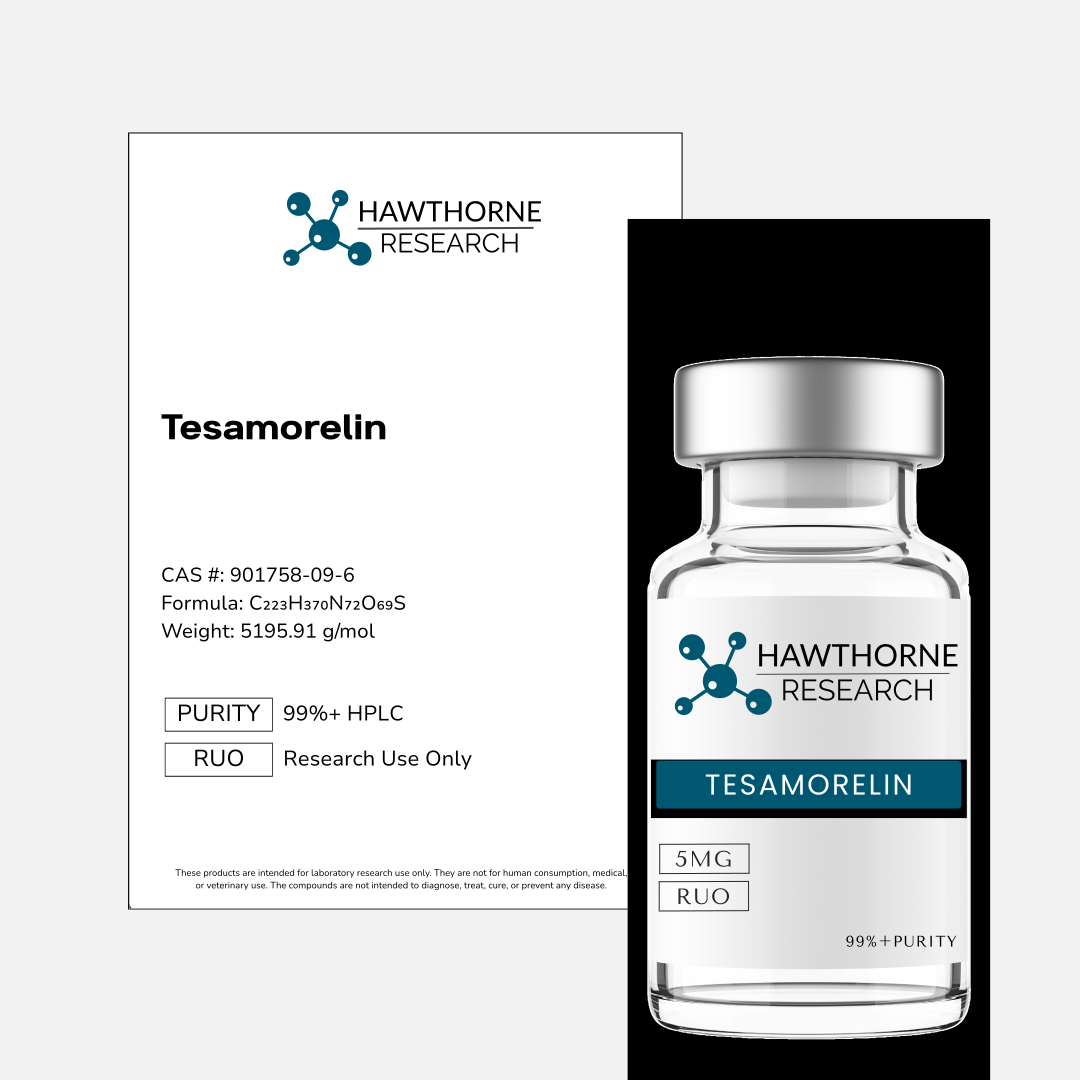
Tesamorelin Peptide
Tesamorelin is a synthetic growth hormone–releasing hormone (GHRH) analog frequently referenced in scientific literature for its relevance in endocrine signaling and peptide–receptor interaction studies. Researchers commonly investigate Tesamorelin within laboratory models evaluating growth hormone regulatory pathways and hypothalamic–pituitary signaling mechanisms.
In research environments, Tesamorelin is often examined in studies exploring hormone signaling cascades, receptor-binding activity, and peptide-mediated communication systems. Its presence in peer-reviewed literature has made it a recurring compound in investigations focused on endocrine pathway mapping and molecular signaling research.
This research peptide is supplied as a lyophilized vial and undergoes third-party analytical testing to confirm identity and purity prior to distribution.
Specifications
• Peptide: Tesamorelin
• Sequence: Tyr-Ala-Asp-Ala-Ile-Phe-Thr-Asn-Ser-Tyr-Arg-Lys-Val-Leu-Ala-Gln-Leu-Ser-Ala-Arg-Lys-Leu-Leu-Gln-Asp-Ile-Met-Ser-Arg-Gln-Gln-Gly-Glu-Ser-Asn-Gln-Glu-Arg-Gly-Ala-Arg-Ala-Arg-Leu-NH2
• Form: Lyophilized Research Peptide Vial
• Purity: ≥ 98% (HPLC Verified)
• Molecular Weight: 5135.9 g/mol
• Storage: Store in a cool, dry environment away from direct light
• Intended Use: Laboratory research and analytical reference only